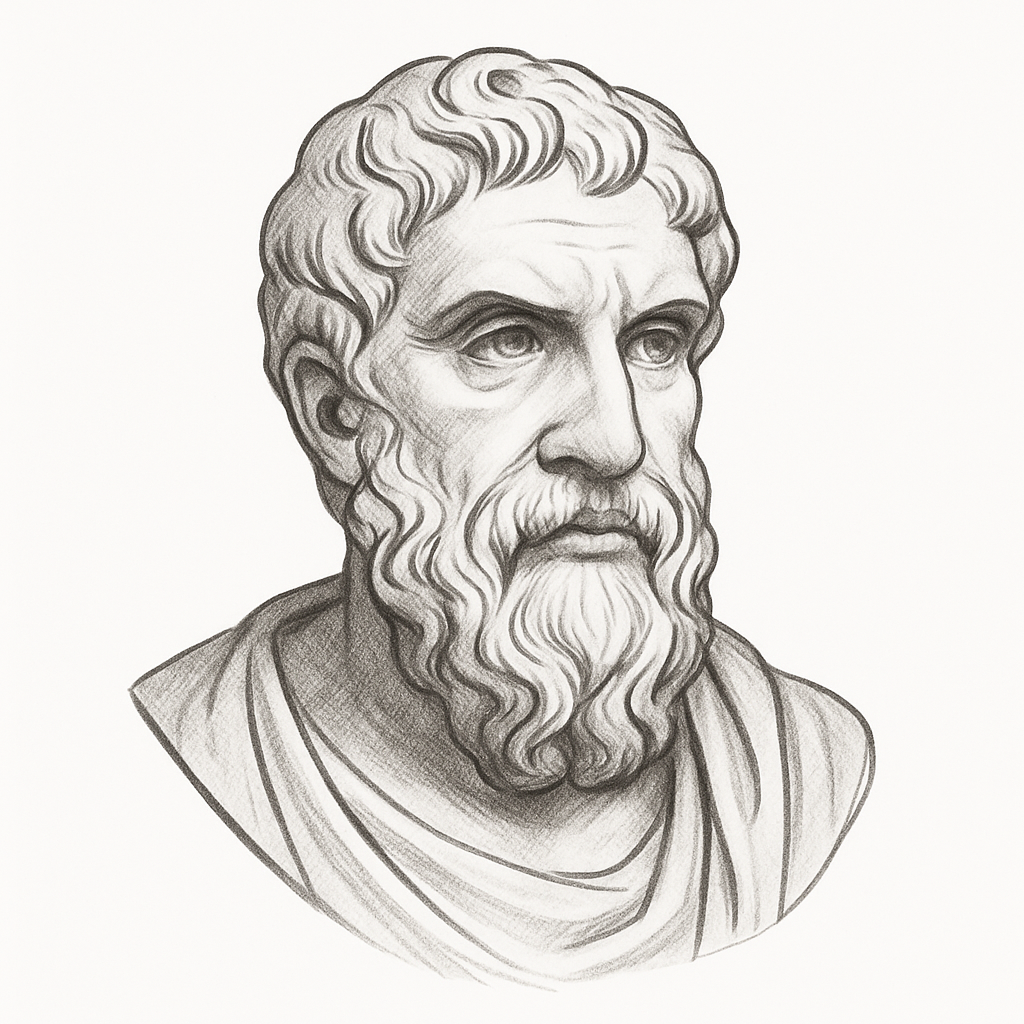
The Stoic Way to Face Loss and Grief
It's completely understandable to feel the profound weight of grief; it's a deeply human experience, and acknowledging that sorrow is the first step. Stoicism, while not denying the initial sting of loss, offers a powerful framework to navigate these difficult emotions, helping us to find a path toward peace.
At its heart, Stoicism teaches that while it's natural to feel sorrow, it's unwise to let it become excessive or performative (Seneca, Moral Letters to Lucilius, Chapter 63). It encourages us to practice moderation even in sorrow, finding a dignified way to grieve that avoids overwhelming emotion (Seneca, Moral Letters to Lucilius, Chapter 99).
A core Stoic insight is that our emotional pain doesn't come directly from the loss itself, but rather from our judgments and beliefs about that loss (Seneca, Moral Letters to Lucilius, Chapter 42). As Epictetus advises, "When therefore we are hindered, or disturbed, or grieved, let us never attribute it to others, but to ourselves; that is, to our own principles" (Epictetus, The Enchiridion, Chapter 5). Marcus Aurelius echoes this, noting that our anger and grief often cause us more suffering than the actions or events that provoked them (Marcus Aurelius, Meditations, Book 11). It's also important to distinguish between genuine, natural grief and performative sorrow, avoiding the temptation to augment sadness to conform to social expectations, as "The display of grief makes more demands than grief itself: how few men are sad in their own company!" (Seneca, Moral Letters to Lucilius, Chapter 99).
To deal with grief, Stoicism proposes several mindful approaches:
- Proactive Engagement: Instead of passively waiting for grief to subside, Stoicism encourages us to proactively end our sorrow. Seneca suggests, "The most shameful cure for sorrow, in the case of a sensible man, is to grow weary of sorrowing. I should prefer you to abandon grief, rather than have grief abandon you" (Seneca, Moral Letters to Lucilius, Chapter 63).
- Shift to Gratitude: When faced with loss, a powerful practice is to shift your focus from what is gone to gratitude for the time you had it (Seneca, Moral Letters to Lucilius, Chapter 98).
- Reframe Memories: Actively work to reframe the memory of lost loved ones from a source of pain into one of pleasant recollection (Seneca, Moral Letters to Lucilius, Chapter 63).
- Accept Impermanence: Regularly reflect on the impermanent and general nature of all things and people you love. This helps to prepare you for inevitable loss and avoid distress (Epictetus, The Enchiridion, Chapter 3). Accepting the inevitable, including the loss of people and possessions, without complaint is key, as suffering comes from the mistaken belief that things should be otherwise (Epictetus, The Discourses, Book 4, Chapter 10).
- Focus on What's Within Your Control: Direct your energy to managing your own sorrow, which is within your power, rather than attempting to control the sorrow of others or external events (Epictetus, The Discourses, Book 3, Chapter 24).
Ultimately, Stoicism doesn't ask us to be emotionless, but to understand our emotions and guide them with reason, recognizing that our response to loss is largely within our control.
Key Passages
The most shameful cure for sorrow, in the case of a sensible man, is to grow weary of sorrowing. I should prefer you to abandon grief, rather than have grief abandon you.— Moral Letters to Lucilius by Seneca
The display of grief makes more demands than grief itself: how few men are sad in their own company!— Moral Letters to Lucilius by Seneca
When therefore we are hindered, or disturbed, or grieved, let us never attribute it to others, but to ourselves; that is, to our own principles.— The Enchiridion by Epictetus
Disclaimer: Article generated using Memento Vivere AI tool, and is grounded solely in the works of Epictetus, Seneca and Marcus Aurelius. For informational purposes only. Not a substitute for professional advice.